I wish more people got this because some ‘low-empathy’ people are the most compassionate and sympathetic in the universe, and I hate it when that’s taken to mean ‘unfeeling and probably hostile’ when nothing could be further from the truth
Or, as my dad put it,
Sympathy: I know how you feel Empathy: I feel how you feel Compassion: is there anything I can do to help?
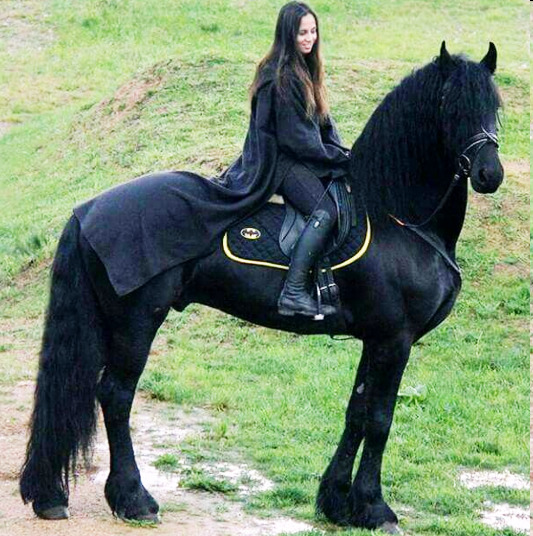
Big Horses are a Very New Thing and they Likely Didn’t Exist in your Historical and/or Fantasy Settings.
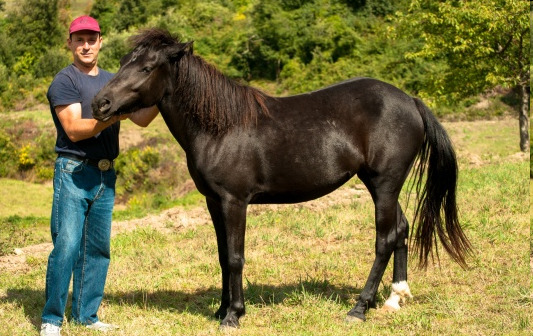
You’ve all seen it in every historical piece of media ever produced. Contrary to popular belief, a big black horse with long legs and long flowing mane is not a widespread or even a particularly old type of horse.
THIS IS NOT A MEDIEVAL THING. THIS IS NOT EVEN A BAROQUE THING. THIS IS A NINETEENTH CENTURY CITY CARRIAGE HORSE.
All the love to fancy Friesian horses, but your Roman general or Medieval country heroine just really couldn’t, wouldn’t, and for the sake of my mental health shouldn’t have ridden one either.
Big warmblood horses are a Western European and British invention that started popping up somewhere around 1700s when agriculture and warfare changed, and when rich folks wanted Bigger Faster Stronger Thinner race horses. The modern warmblood and the big continental draught both had their first real rise to fame in the 1800s when people started driving Fancy Carriages everywhere, and having the Fanciest Carriage started to mean having the Tallest and Thinnest Horses in the town.
Before mechanised weaponry and heavy artillery all horses used to be small and hardy easy-feeders. Kinda like a donkey but easier to steer and with a back that’s not as nasty and straight to sit on.
SOME REAL MEDIEVAL, ROMAN, OTTOMAN, MONGOL, VIKING, GREEK and WHATEVER HISTORICALLY PLAUSIBLE HORSES FOR YOU:
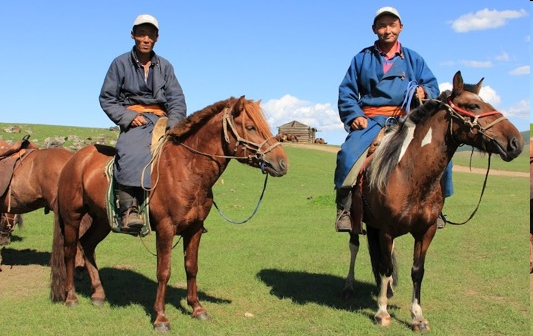
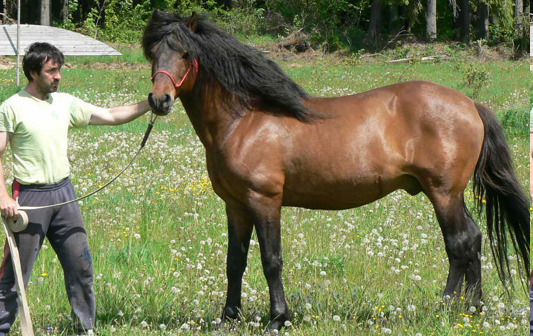
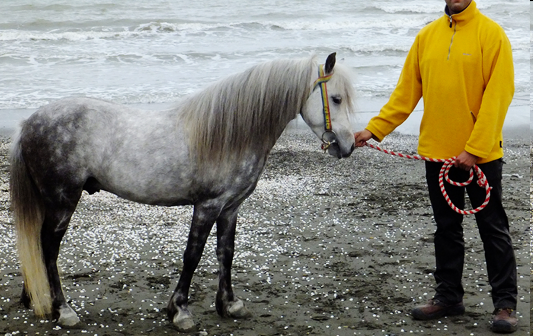
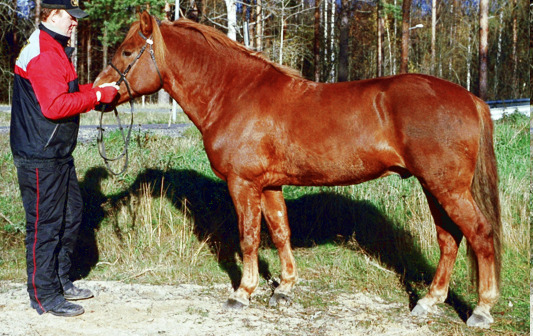
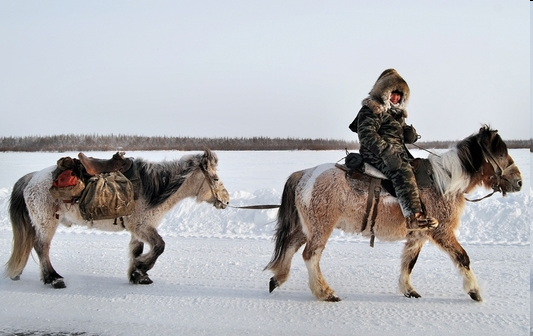
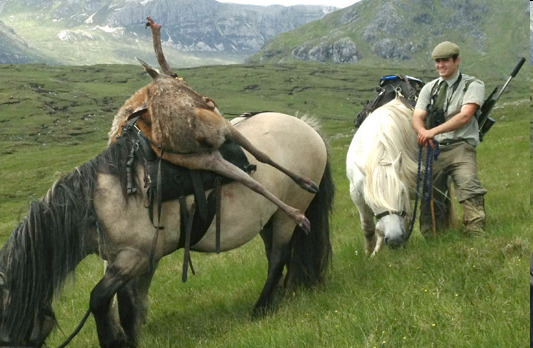
“Primitive”, native breeds all over the globe tend to be only roughly 120-140 cm (12.0 – 13.3 hh) tall at the withers. They all also look a little something like this:
Mongolian native horse (Around 120-130 at the withers, and decendants of the first ever domesticated horses from central Asia. Still virtually unchanged from Chinggis Khan’s cavalry, ancestor to many Chinese, Japanese and Indian horses, and bred for speed racing and surviving outdoors without the help of humans.)
Carpathian native horse / Romanian and Polish Hucul Pony (Around 120-150 at the withers, first mentioned in writing during the 400s as wild mountain ponies, depicted before that in Trajanian Roman sculptures, used by the Austro-Hungarian cavalry in the 19th century)
Middle-Eastern native horse / Caspian Pony (Around 100-130 at the withers, ancestor of the Iranian Asil horse and its decendants, including the famous Arabian and Barb horses, likely been around since Darius I the Great, 5th century BC, and old Persian kings are often depicted riding these midgets)
Baltic Sea native horse / Icelandic, Finnish, Estonian, Gotland and Nordland horses (Around 120-150 at the withers, descendant of Mongolian horses, used by viking traders in 700-900 AD and taken to Iceland. Later used by the Swedish cavalry in the 30 years war and by the Finnish army in the Second World War, nowadays harness racing and draught horses)
Siberian native horse / Yakutian pony (Around 120-140 at the withers, related to Baltic and Mongolian horses and at least as old, as well-adapted to Siberian climate as woolly mammoths once were, the hairiest horse there is, used in draught work and herding)
Mediterranean native horse / Skyros pony, Sardinian Giara, Monterufolino (Around 100-140 at the Withers, used and bred by ancient Greeks for cavalry use, influenced by African and Eastern breeds, further had its own influence on Celtic breeds via Roman Empire, still used by park ranger officers in Italy)
British Isles’ native horse / various “Mountain & Moorland” pony breeds (Around 100-150 at the withers, brought over and mixed by Celts, Romans and Vikings, base for almost every modern sport pony and the deserving main pony of all your British Medieval settings. Some populations still live as feral herds in the British countryside, used as war mounts, draught horses, mine pit ponies, hunting help and race horses)
So hey, now you know!
I love this so much – and now I know why Tall Lanky Thin horses have a terryfying vibe to them, and the “primitive” native pony-like breeds awake in me only hope and trust.
such valid historical finger-eaters here
Okay, so, you got me, I’m a horse person. I used to take riding lessons and would read tons of books about horses as a kid and teenager. You could definitely say I was that weird horse girl, and I really have to say even though this is really informative about the native types of equines in the general European and Middle Eastern areas how FULL OF BS THIS POST IS, SO BUCKLE UP BUTTER CUPS YOU ALL ARE GONNA DO A LEARN TODAY.
So what OP said about the Roman General not riding a Middle Ages war horse is actually correct and here’s why: The Western Roman Empire fell BEFORE THE MIDDLE AGES BEGAN AND IS WHAT TRIGGERED THE BEGINNING OF THE MIDDLE AGES IN THE GODDAMN FIRST PLACE. And for those of you who aren’t aware, the Middle Ages was roughly a 1000 year period that consisted of the 5th through the 15th Century; aka. 400AD-1400AD, and ended with the beginning of the Renaissance. (x, x)
First off, NONE OF THOSE ARE HORSES. THOSE ARE PONIES. You cannot ride ponies into battle while dressed in a full suit of armor because their legs would buckle out from underneath them because they simple aren’t large enough or strong enough o be able to carry the weight of a knight in plate armor. Hence the term WARHORSE. OP literally names off a bunch of PONY breeds, and while ponies were used commonly back then as cart and pack animals, they were not used in battle and thus would be bad steeds for fantasy and historical fictional characters that planned on doing any sort of fighting.
Secondly, the Fresian horse breed certainly WAS around during the Middle Ages because it originated in the Netherlands before the 4th Century and is literally known as the ‘Knight’s Breed’ because their size, strength, and stamina that allowed them to be able to carry the extra weight of a knight, his armor, and the armor the horse would be wearing as well. (x)
AND LASTLY, I’M GONNA HELP OUT ALL MY WRITER FRIENDS BY WRITING UP WHAT MIDDLE AGE WAR HORSES ACTUALLY WERE NAMED, THEIR USES, AND WHAT THEY MIGHT HAVE LOOKED SOMETHING LIKE.
This is so passionate and I love it and my followers will too! But I don’t think destriers/chargers are the same thing, and I really REALLY like the evidence that people have gathered of destriers being about 16hh based on looking at existing horse armor. I honestly don’t think that the armor would fit a Shire although it may vary!
For future reference I also believe that we call them Vanners or Irish Cobs.
You see this is the sort of thing I like. Because, especially at Disney, you don’t want to really discourage any of those ideals “thinking, having your own ideas” but you also have to stay in character. So you associate those ideals with the princess in the group, the one who the young girl is supposed to idolize. So, while staying in character, Gaston can announce his displeasure for women who read while also encouraging it in a young girl by giving it the good association of Belle. Idk, I always thought those work arounds that Disney villain face characters go through to not be overtly mean to children but stay in character were really interesting.
I just gained so fucking much respect for this Gaston.
What’s a player to a god, what’s a god to a DM, what’s a DM to a nat 20
this is funny but I’m going to be a Joke Ruiner here in hopes that this might be useful to anybody looking to run a D&d game sometime for the first time.
A natural 20 always ‘succeeds’ but does not always do what the player intended to do. If a player attempts to do something Impossible, then a Natural 20 cannot make it possible, instead, have the Outcome of their Attempt be helpful in an obvious way, without being necessarily a magical Super thing. Greg the ranger attempts to climb an 80 foot smooth marble wall with no handholds? Greg is level two? Greg does not climb that wall with a Natural 20, however, while looking for good handholds Greg spies an important clue reflected in the mirror-like surface of the wall, perhaps finding a secret catch to open a hidden door in the wall granting the party entrance to the dungeon?
Even though Greg didn’t search for the door, his incredible Luck granted him the opportunity to succeed anyways. Because that’s what a Natural 20 is. It’s Luck. A lucky swing catches an opponent off guard, even if they’re a seasoned fighter. No amount of luck will allow Susan the 1st level barbarian to shoot the God of War in the eye, but if she is Lucky enough, then he’ll be amused and impressed by her brash valor, and grant her a boon or a gift, rather than be insulted by her attack.
Keep in mind that a Natural 20 should align with what is best for the player, not necessarily what the player wants. If a player rolls a 20 while attempting to do something you know will end badly for them? Take advantage of your knowledge and have their roll instead indicate that not only does their attempt fail, it does so in a way that alerts the player to the danger of their attempt.
For example, they try to shoot a guard under the assumption he’s alone and it will be a sneaky quiet attack? Have the shot miss in such a way that the guard tells his friends just around the corner to “knock off all that racket, some of us still have jobs to do tonight!”
This kind of thing helps create a believable, consistent world for your players. Something that has rules and laws of physics of it’s own, even if those physics are a bit more fast and loose with thermodynamics than ours are. If a Natural 20 Always Works, then the world quickly loses credibility, because in that world, not only can literally Anything Happen, it has a 5% chance to do so All the Time
A world like that doesn’t really make much sense, and wouldn’t look at all like our world, and is therefore really hard for players to get attached to.
This is really good. I’d just like to add that you also have the option of just saying “That’s not going to work.” So many tales of DM woe could be averted by just being aware that the DM can not let the players roll dice in the first place.




 GhostKitten's shitpost pile